
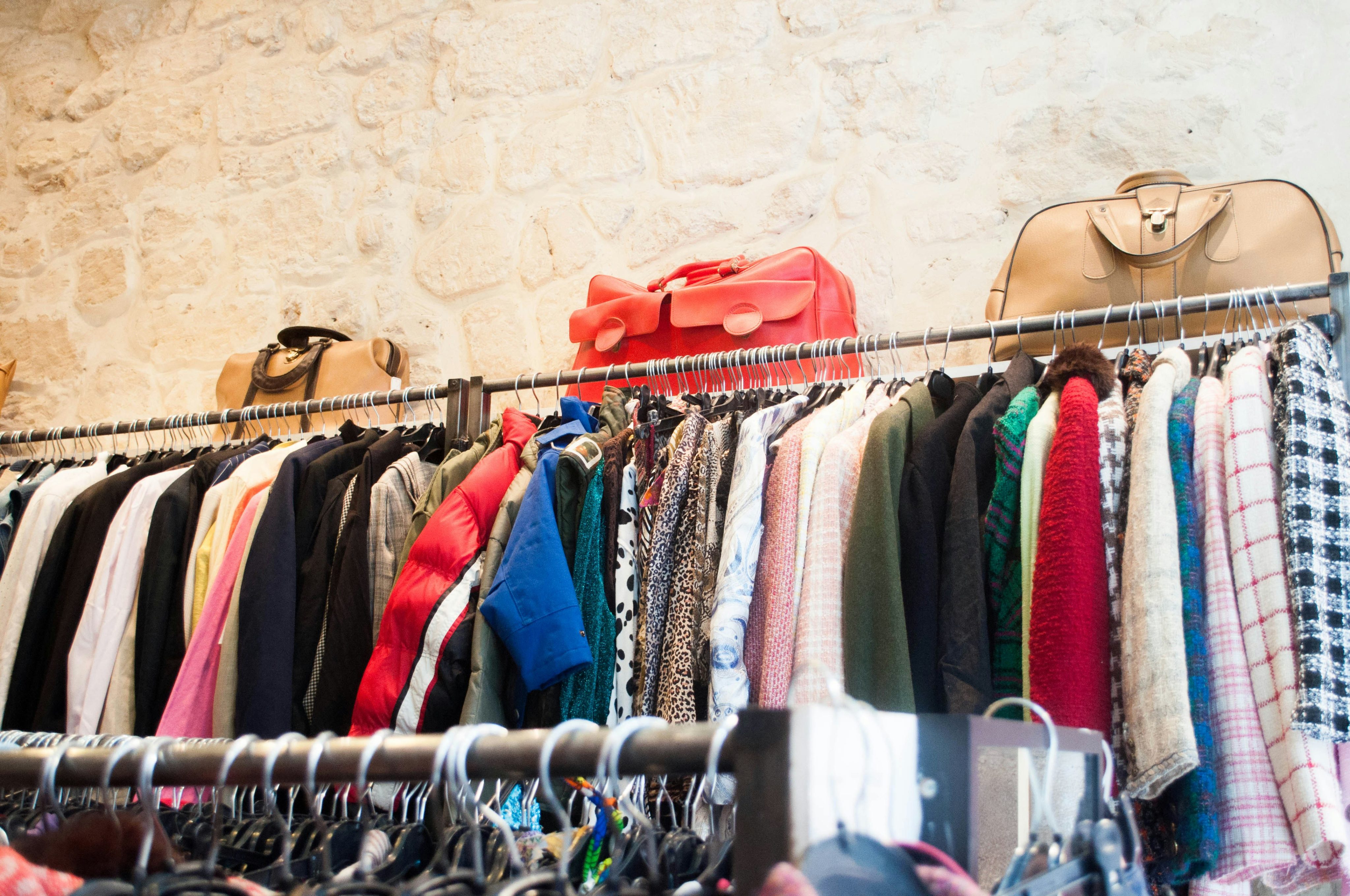
Second hand. Buying and letting go well
Second hand has an obvious advantage: price. Items on Vinted, for example, run around 70% cheaper than buying new and with most of what's available now coming from the familiar high street names, you largely know what you're getting. A third of people now buy second hand every week, and it's increasingly the first place people look before buying new. Buying and selling online has genuinely never been easier.
There's a real pleasure in finding something good for little money. And if it doesn't quite work, you haven't lost much.
But here's the thing, I see a lot of wardrobes full of clothes that never get worn. We're nudged to buy constantly; two thirds of people admit to purchasing something they saw pop up on social media or an app. Combine that with the sense that our wardrobes always need updating, and a quick, cheap purchase can feel like the easy answer.
The trouble is, it's rarely worth the effort to resell. What's left behind is a wardrobe that doesn't quite work for you, and often a quiet sense of guilt about it.
So how do you give yourself the occasional treat, choose the right pieces, and end up with a wardrobe you can actually wear every day? A few things help.
Know exactly what you're looking for. Be specific, not "blue jeans," but "dark blue, wide-leg, Guess or Seven for All Mankind." Specificity is what makes the search quick rather than endless.
Know your real measurements. Not just your usual size, but your height, and for trousers, your inside leg too.
Know your colours. This is easiest in a charity shop - hold the item up to the window and see how it reads against your skin. Buying online, look closely at the colour in the photos (with your glasses on!) and if you're unsure, message the seller. A good one will tell you honestly whether the photo reflects the true colour.
Check sizing carefully. Newer pieces tend to run true; older ones often run smaller. Ask the seller for measurements online, or hold the item against you in store.
Check for imperfections, and decide what you're comfortable with. Good sellers list these clearly. A missing button needn't put you off. I bought a beautiful maxi coat last week for £20 because it had two missing, and replaced them for £3.
It's worth noticing what's changed. A generation ago, clothes you no longer wanted mostly went to a charity shop by default. Now the instinct is to list them for sale first which isn't wrong, but it does mean charitable giving has quietly become the second thought rather than the first. Given how many charities, hospices among them, depend on shop income, that's worth pausing on.
If something doesn't work once it's home, let it go quickly. Clothes that sit unworn take up more than physical space and giving them a fair chance to be worn by someone else is worth more than most of us realise. One in five people throw clothes away rather than donate them, which is a real loss when you consider how much charity shops depend on that income. And whatever a sale on Vinted might bring, it rarely matches the satisfaction of knowing your donation is helping a hospice or another charity that genuinely needs it.
Buying well and letting go well are really the same skill. A little more intention, at both ends of a garment's life with you.
Get in touch and I'll help you sort your guilt free wardrobe forever.
Photo by Noemie Roussel on Unsplash